

Description
Blood Pressure Machine Manual: A Clear and Simple Guide
Introduction
Measuring blood pressure is an important step in checking heart health and preventing diseases like hypertension. Although many people use automatic digital monitors at home, manual blood pressure machines are still the most trusted tools in clinics because of their accuracy. This guide will explain what manual blood pressure machines are, how to use them, their benefits and drawbacks, and tips on how to take care of them.
What is a Manual Blood Pressure Machine?
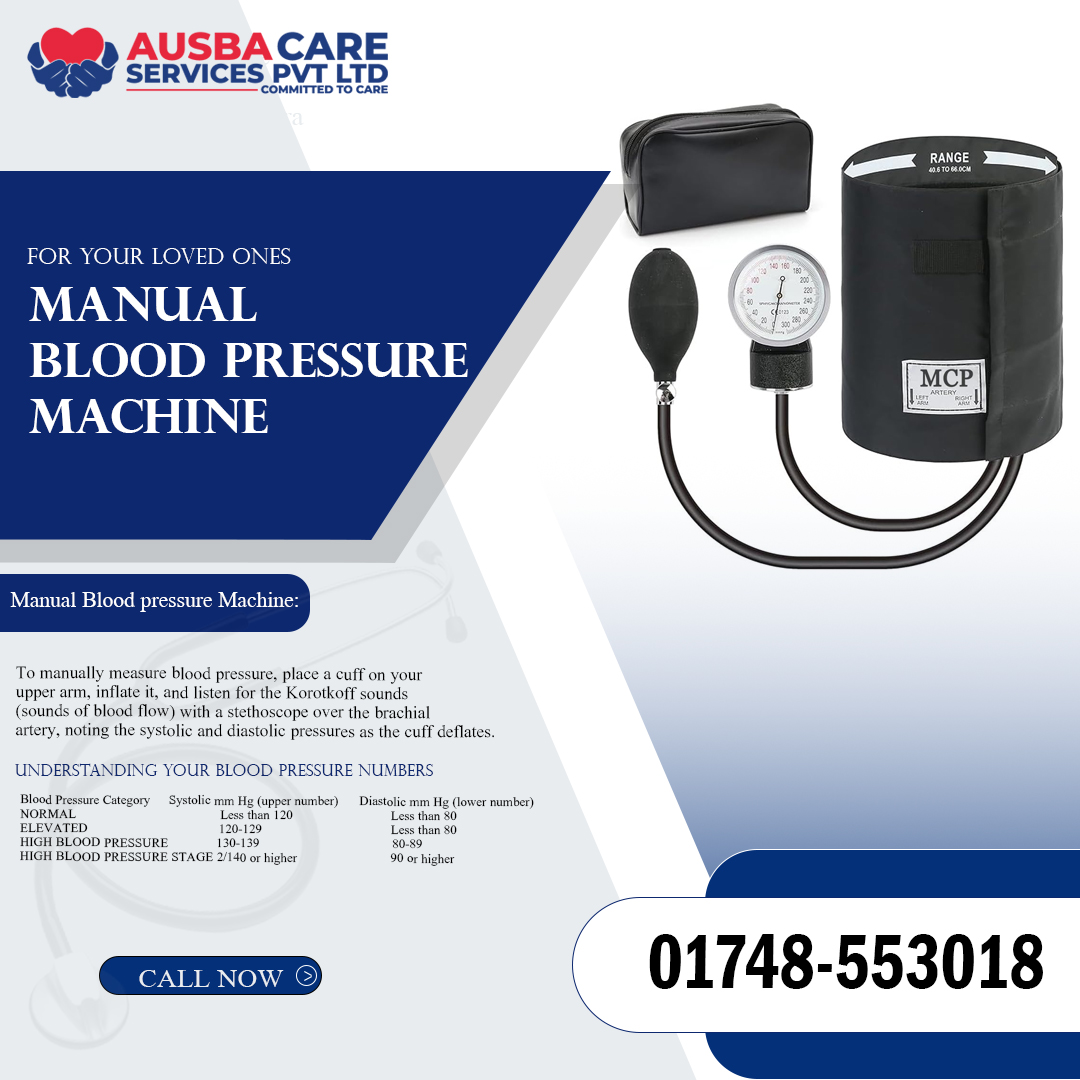
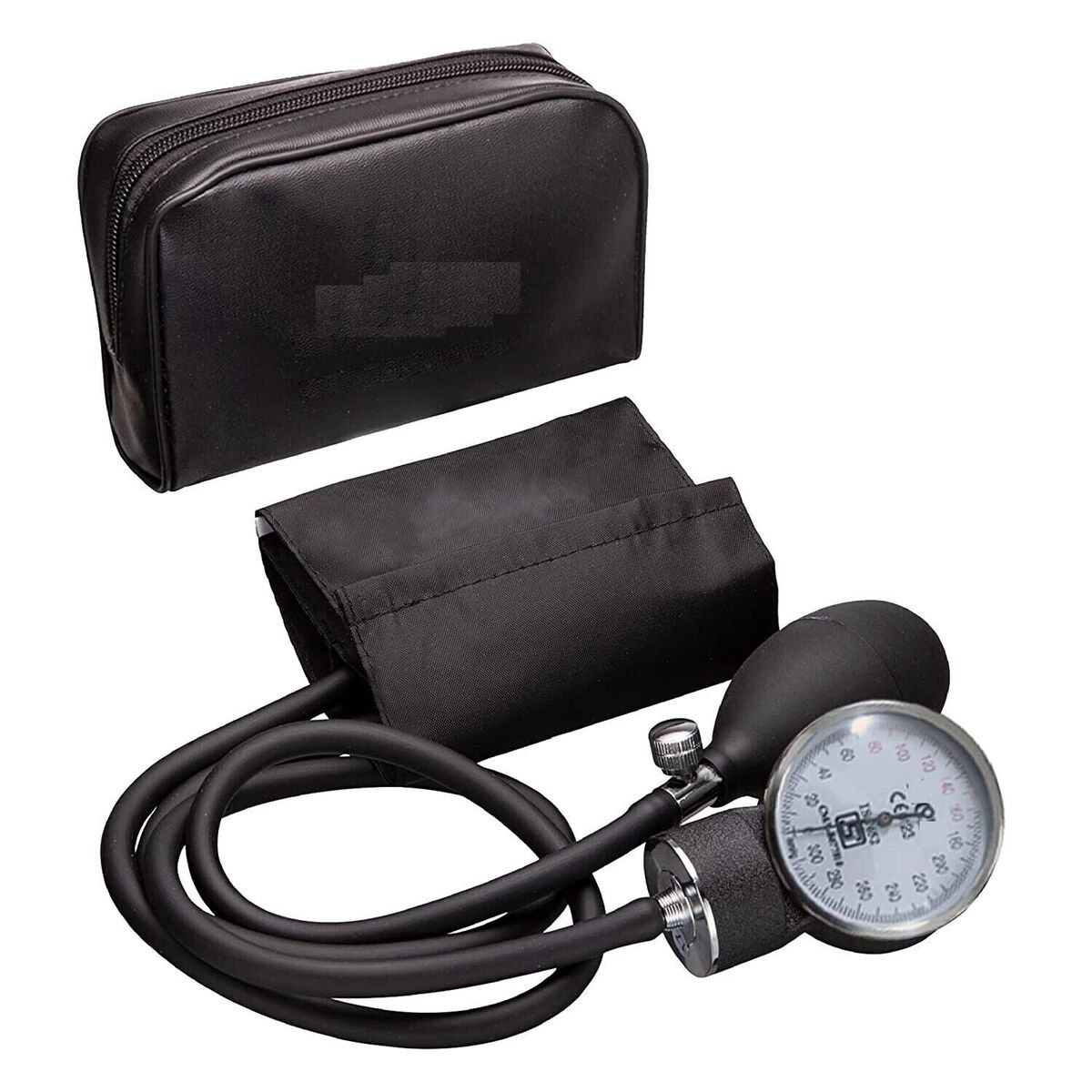
A manual blood pressure machine, also called a sphygmomanometer, is a tool used to measure blood pressure by hand. It has three main parts:
-
Cuff: A fabric band that wraps around your upper arm and inflates to press on the artery.
-
Manometer: A gauge that shows the pressure, either with a dial (aneroid) or a mercury column.
-
Inflation System: A rubber bulb and valve used to pump air into the cuff and release it.
You will also need a stethoscope to hear blood flow sounds (Korotkoff sounds) when measuring.
Types of Manual Blood Pressure Machines
There are two common types:
-
Aneroid Sphygmomanometer
-
Displays pressure on a dial with a needle.
-
Lightweight and easy to carry.
-
Needs regular calibration to stay accurate.
-
-
Mercury Sphygmomanometer
-
Uses a mercury column to show pressure.
-
Known for very precise measurements.
-
How to Use a Manual Blood Pressure Machine
Follow these steps to get a correct reading:
Step 1: Prepare the Patient
Make sure the person sits comfortably with their arm supported at heart level. Ask them to relax and avoid talking. Wait five minutes before measuring. Remove any tight clothing from the upper arm.
Step 2: Wrap the Cuff
Place the cuff snugly around the upper arm, about 1–2 inches above the elbow. Make sure the artery marker aligns with the brachial artery.
Step 3: Find the Brachial Artery
Feel the inside of the elbow crease to locate the artery. Put the stethoscope’s diaphragm there.
Step 4: Inflate the Cuff
Close the valve on the bulb, then squeeze it to inflate the cuff until the pressure reaches 180–200 mmHg or about 30 mmHg higher than the expected systolic pressure.
Step 5: Slowly Deflate the Cuff
Open the valve slowly to let air out at about 2–3 mmHg per second. Listen carefully for the blood flow sounds.
Step 6: Record the Readings
The first sound you hear marks the systolic pressure (when the heart beats). When the sound stops, that is the diastolic pressure (when the heart rests). Write down both numbers.
Advantages of Manual Blood Pressure Machines
Manual devices have several benefits:
-
They provide very accurate readings when used properly.
-
They don’t need batteries or electricity.
-
They are often more affordable and last longer than digital devices.
-
Medical professionals trust them for reliable results.
Disadvantages of Manual Blood Pressure Machines
However, there are some downsides:
-
Using them properly requires practice and skill.
-
Mistakes can happen if the technique is wrong or if there’s too much background noise.
-
They are bulkier and less convenient for home use.
-
Aneroid models need regular calibration.
Maintenance and Care Tips
To keep your manual blood pressure machine working well, follow these tips:
-
Have aneroid devices calibrated at least once a year.
-
Store the device in a cool, dry place.
-
Check the cuff often for damage or leaks.
-
Clean the cuff and tubing with a damp cloth—do not soak them.
-
Handle mercury sphygmomanometers carefully to avoid spills.
When to Ask for Professional Help
If your readings don’t seem consistent or if you have trouble hearing the blood flow sounds, ask a healthcare professional for help. Regular professional checks will ensure your device remains accurate.
Conclusion
Manual blood pressure machines are valuable tools for accurate blood pressure monitoring. Even though they require some practice to use well, their reliability and precision make them essential in medical settings. By learning how to operate and maintain these devices, you can help manage your health more effectively.






















Reviews
There are no reviews yet.