
Description
🦯 The Hand Stick: A Timeless Tool of Support, Style, and Symbolism
The hand stick, often referred to as a walking stick or cane, is one of humanity’s most enduring tools. More than just a device for balance and support, the hand stick has served as a symbol of authority, a fashion statement, a spiritual object, and even a defensive weapon throughout history. Across civilizations, its role has evolved—but its essential presence has remained constant.
1. Historical Origins of the Hand Stick
The earliest use of hand sticks dates back thousands of years. Archaeological findings suggest that ancient Egyptians used staffs not only for walking but also as symbols of power and status. Pharaohs were often depicted holding ornate sticks that symbolized rulership. Similarly, shepherds in ancient Mesopotamia used simple wooden sticks to manage flocks and defend against wild animals.
In medieval Europe, the staff became an emblem of pilgrimage. Pilgrims traveling long distances to sacred sites often carried walking sticks, both for physical support and as a mark of their spiritual journey. These sticks often bore carvings and religious insignia.
2. Functional Uses: Beyond Mobility
Though commonly associated with aiding those with limited mobility, hand sticks have a broader range of uses:
-
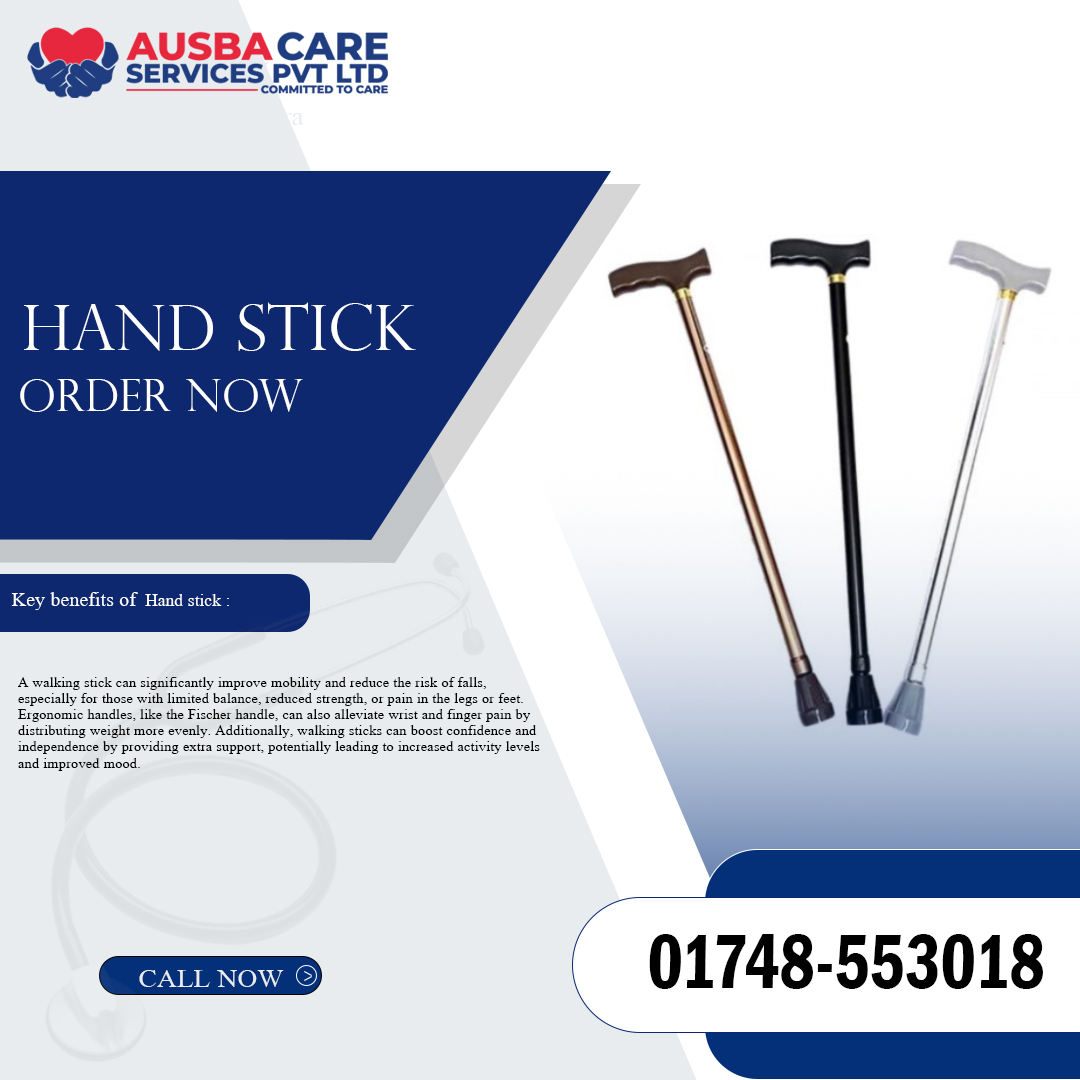
Medical Aid: For elderly individuals or those recovering from injury or surgery, hand sticks provide essential support and balance. Ergonomic designs today help reduce strain on joints and muscles.
-
Terrain Navigation: Hikers and explorers use trekking poles or sticks to navigate uneven terrain, cross rivers, or climb steep paths. These sticks offer additional points of contact with the ground, increasing stability.
-
Defense Tool: Historically, walking sticks could be modified into concealed weapons. Sword canes were popular in 18th and 19th century Europe, where social decorum demanded that gentlemen protect themselves discreetly.
-
Agricultural and Rural Use: Shepherds and farmers still use sticks to herd animals or reach fruits from trees. The humble stick remains a multi-functional companion in rural settings.
3. Styles and Materials
Hand sticks vary widely in material, design, and craftsmanship, reflecting both function and fashion.
-
Wood: The most traditional and still the most popular material. Common types include oak, ash, hickory, and bamboo. Each type of wood provides a different combination of strength, flexibility, and weight.
-
Metal and Carbon Fiber: Modern mobility aids often use aluminum or carbon fiber, which are lightweight and durable. These are common in medical canes and trekking poles.
-
Decorative Elements: Handles can be elaborate, made from ivory, silver, gold, or adorned with gemstones. Carved animal heads or mythical figures often serve as the grip.
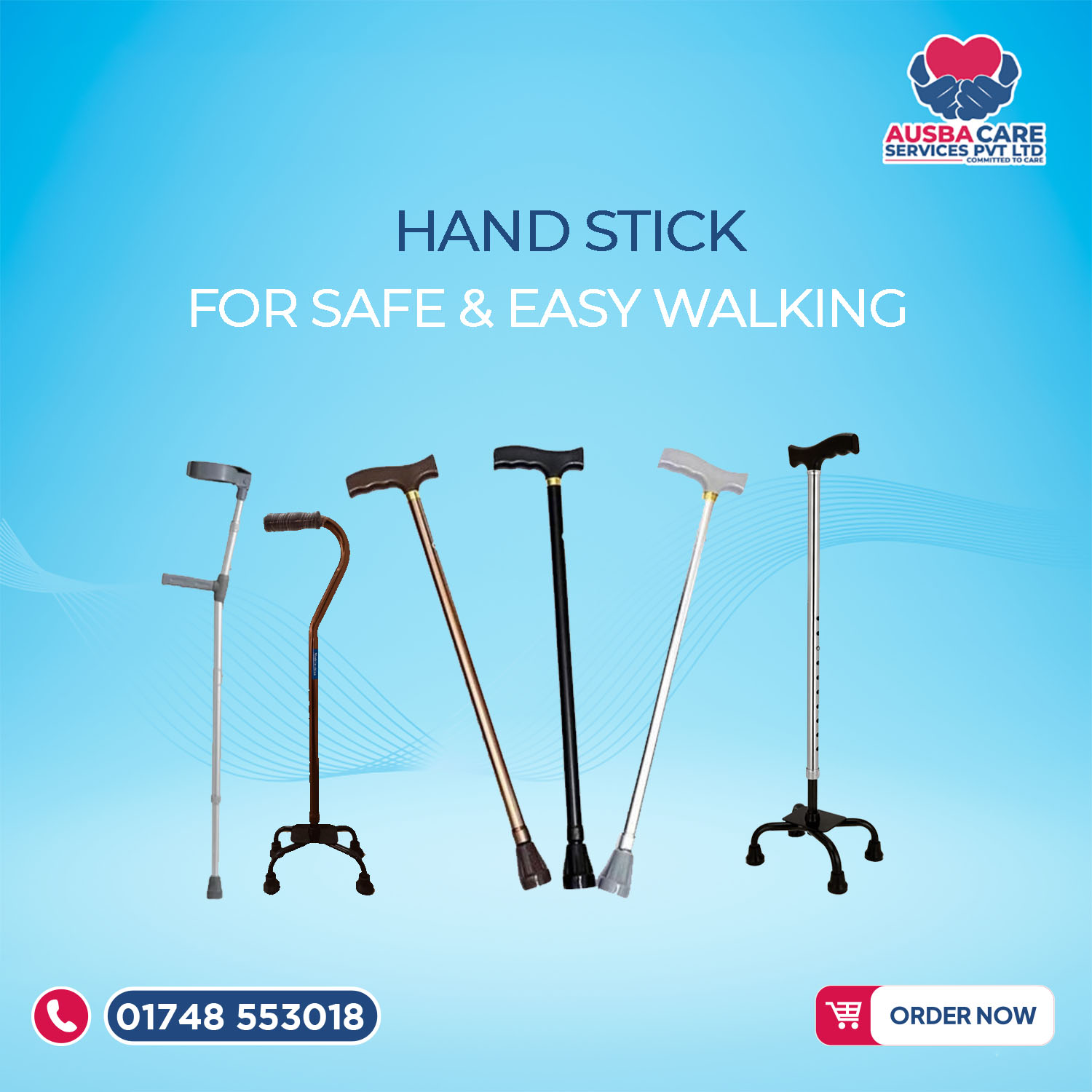
The handle shape also varies. “Crook” handles, “T” grips, derby handles, and ergonomic molded grips all serve different comfort and support functions.
4. Cultural and Symbolic Significance
Across cultures, the hand stick has taken on symbolic meaning:
-
Royalty and Power: In African cultures, chiefs and kings often carry ornate staffs as a sign of leadership. The Zulu “iwisa” is a ceremonial knobkerrie used in traditional dances and courtly affairs.
-
Spiritual and Religious: In Christianity, the bishop’s crosier (a shepherd’s staff) symbolizes spiritual guidance. Similarly, Indian sadhus (holy men) often carry a staff as a symbol of renunciation and wisdom.
-
Fashion Accessory: In the 19th century, walking sticks became fashionable among European gentlemen. Beyond utility, they signaled refinement, class, and taste. Some were even designed with hidden compartments, such as snuff boxes or watches.
-
Martial Arts: In many Asian cultures, the staff (like the Japanese “bō” or Chinese “gun”) is a foundational weapon in martial arts, representing control, reach, and discipline.
5. Evolution and Modern Adaptations
Today’s hand sticks have adapted to the needs of a wide array of users:
-
Adjustable Height: Modern canes come with telescopic height adjustment to accommodate users of different sizes.
-
Foldable Designs: Ideal for travel, many sticks can be folded and stored conveniently.
-
Smart Canes: Some canes now come with embedded sensors, GPS trackers, or alarms to help visually impaired users navigate and maintain independence.
-
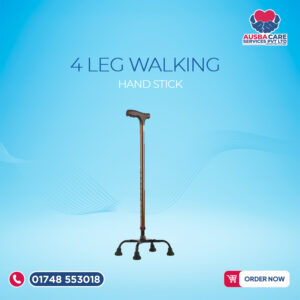
Ergonomic and Medical Innovations: Shock-absorbing tips, quad bases for added stability, and comfortable grips help reduce strain and increase functionality.
-
Personalization: Many companies now offer customization—engraved names, bespoke carvings, or even LED lighting in handles for safety.
6. Environmental and Sustainable Aspects
As interest in eco-friendly materials grows, sustainably sourced hand sticks are gaining popularity. Bamboo, for instance, is a renewable resource often used in hand stick production. Some artisans craft canes from reclaimed wood or responsibly harvested hardwoods, blending sustainability with craftsmanship.
Additionally, handcrafted walking sticks from indigenous communities or traditional artisans offer cultural authenticity and provide income to rural economies.
7. The Future of the Hand Stick
Despite its ancient origins, the hand stick is far from obsolete. In fact, it continues to evolve alongside technology and design. With aging populations in many countries, the need for supportive mobility devices is increasing.
Emerging innovations may lead to “smart sticks” that can:
-
Detect falls and alert emergency contacts.
-
Provide haptic feedback to guide the visually impaired.
-
Measure gait and provide analytics to physical therapists.
-
Integrate with wearable technology for health monitoring.
Furthermore, the hand stick is seeing a revival in fashion and personal style. Designers and artisans are reimagining it as a lifestyle accessory—a fusion of tradition, function, and art.
Conclusion
The hand stick is far more than just a walking aid. It’s a companion through age and journey, a symbol of wisdom and authority, a protector in uncertain times, and a canvas for craftsmanship. Whether carved from oak or forged with carbon fiber, it carries a rich legacy of human experience—supporting both our steps and our stories. From the royal courts to the rugged hillsides, the hand stick remains a quiet but steadfast pillar of human culture.