Description
The Walking stick 4 leg with Four Legs: A Guide to Quad Canes for Mobility and Independence
Mobility is one of the most fundamental aspects of independence and quality of life. For individuals with limited mobility due to age, injury, or disability, a simple tool like a hand stick with four legs, also known as a quad cane, can make an enormous difference. This assistive device blends simplicity with function, offering stability, support, and safety to millions around the world.
In this article, we explore the design, usage, benefits, and considerations of using a four-legged walking stick, aiming to highlight its role in enhancing the lives of those who rely on it.
What is a Quad Cane?
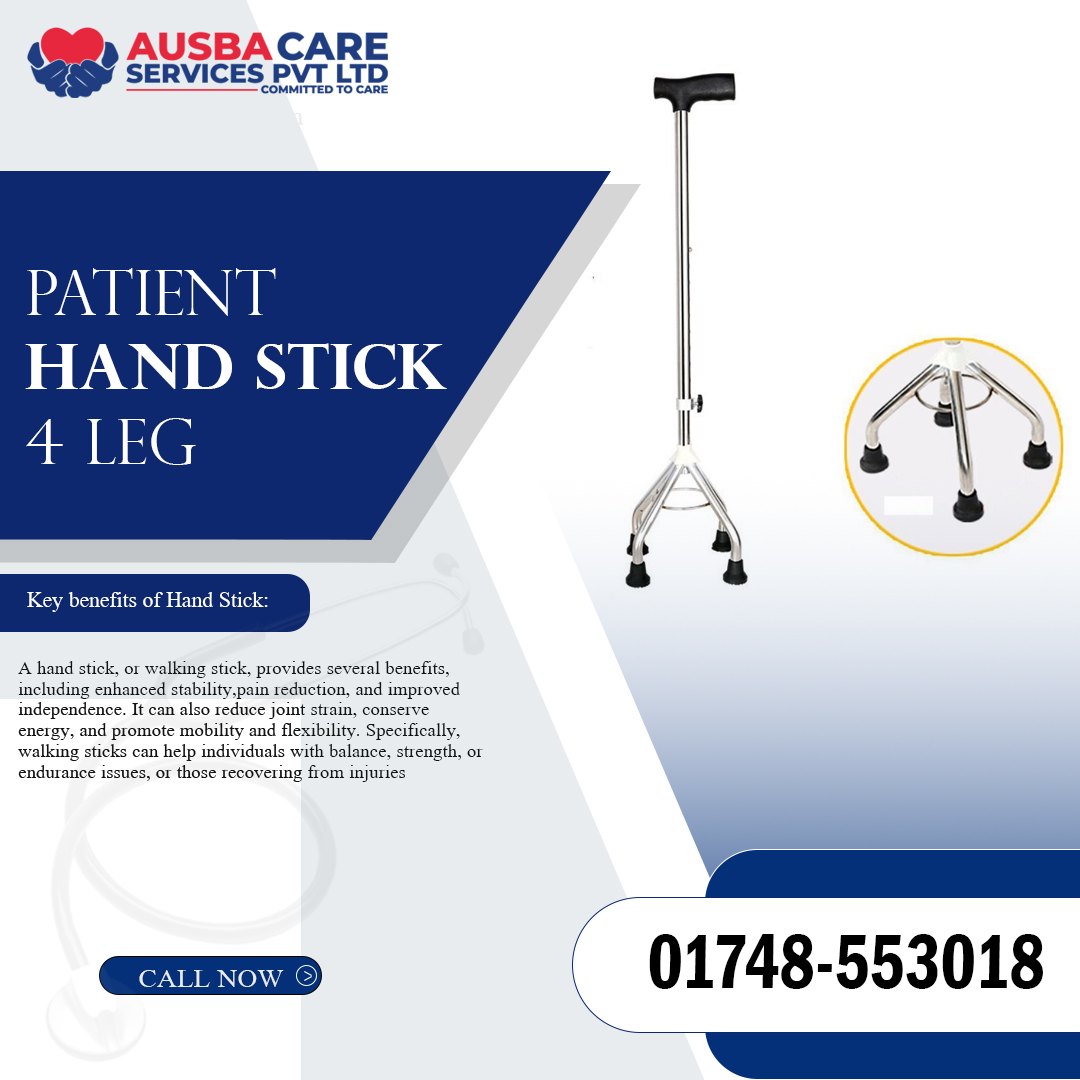
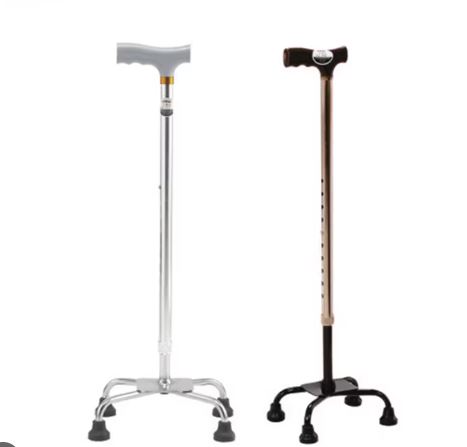
A quad cane is a type of walking cane that has a base with four small feet instead of the traditional single point. These four feet provide a broader base of support, helping the user maintain better balance while walking. The design may vary slightly in terms of size, weight, and material, but the fundamental concept remains the same: a hand-held mobility aid with four legs designed to assist with balance and walking stability.
Quad canes are commonly used by individuals recovering from surgery (such as hip or knee replacement), those with neurological conditions (like Parkinson’s disease or multiple sclerosis), or seniors experiencing age-related balance issues.
Key Features and Design
-
Four-legged Base:
The standout feature is the quad base, which may come in either a narrow or wide configuration.-
Narrow bases are lighter and easier to maneuver.
-
Wide bases offer more stability and are ideal for users who need maximum support.
-
-
Non-slip Rubber Tips:
Each leg of the cane typically ends in a rubber tip (also called a ferrule), designed to prevent slipping on various surfaces. -
Height Adjustability:
Most modern quad canes allow height adjustment to match the user’s body size. A proper fit ensures comfort and effectiveness. -
Ergonomic Handle:
The handle is often curved or shaped to fit the user’s hand, reducing pressure and strain during extended use. -
Material:
Quad canes are made from aluminum, steel, or carbon fiber, balancing weight and strength. Aluminum models are the most common due to their lightweight durability.
Benefits of Using a Quad Cane
1. Enhanced Stability
Unlike standard canes, which offer a single point of contact with the ground, a quad cane provides four contact points, significantly increasing stability. This helps users navigate uneven terrain or slippery floors with more confidence.
2. Improved Balance
Users with balance issues—especially after a stroke or surgery—benefit from the wider base of support, reducing the risk of falls and promoting safer movement.
3. Weight Distribution
Quad canes can bear more body weight than traditional canes, making them suitable for those who need substantial support while walking or standing.
4. Hands-Free Support
Since quad canes stand on their own when not in use (due to the four-legged base), users don’t need to bend or lean them against furniture. This improves accessibility and reduces the risk of falling over when unattended.
5. Confidence and Independence
Perhaps the most crucial benefit is psychological—quad canes restore a sense of independence and confidence. They allow users to participate in social activities, go for walks, or perform daily tasks without constant reliance on caregivers.
Choosing the Right Quad Cane
When selecting a hand stick with four legs, several factors should be considered:
1. User’s Weight and Height
Ensure the cane is rated for the user’s weight. Height adjustability is essential to maintain proper posture and comfort.
2. Base Size
-
Wide base: Suitable for users who need maximum support.
-
Narrow base: Better for users who can walk more confidently and want greater maneuverability.
3. Handle Type
Choose a handle that is comfortable to grip and matches any ergonomic needs (e.g., foam grip for arthritis).
4. Right-Handed or Left-Handed Use
Some quad canes are angled for use with a specific hand. It’s important to select the correct configuration.
5. Material and Weight
Lighter canes are easier to carry but should still be strong enough for dependable support.
Proper Usage Techniques
To get the most out of a quad cane, users should be trained—ideally by a physiotherapist or occupational therapist—in proper usage. Here are the basic steps:
-
Adjust Height: The top of the cane should align with the crease of the wrist when the user stands upright with arms at their sides.
-
Hold the Cane on the Strong Side: If the left leg is weak, hold the cane in the right hand, and vice versa. This ensures better weight transfer and balance.
-
Walking Sequence:
-
Move the cane and weak leg forward together.
-
Step forward with the strong leg.
-
-
Use on Stairs:
-
Upstairs: Strong leg first, then cane and weak leg.
-
Downstairs: Cane and weak leg first, then strong leg.
-
Using the cane correctly is critical in preventing injury and gaining full benefit from the support it provides.
Common Misconceptions
“Quad Canes are Only for the Elderly.”
Not true. People of all ages recovering from surgery or living with neurological or muscular disorders may benefit from quad canes.
“They’re Bulky and Hard to Use.”
Modern quad canes are designed to be lightweight, adjustable, and ergonomic, making them easier to use than ever before.
Maintenance and Safety Tips
-
Regularly check rubber tips for wear and replace them when they become smooth or cracked.
-
Ensure tight bolts and screws—a wobbly cane is a safety hazard.
-
Clean the cane periodically to prevent buildup of dirt or moisture that can cause slipping.
-
Store in a dry place to prevent rusting or material degradation.
Conclusion
The hand stick with four legs, or quad cane, is a small yet powerful tool that can transform lives. By providing balance, stability, and a renewed sense of independence, quad canes help users regain control over their daily movements. Whether recovering from a medical condition or managing chronic mobility challenges, the right walking aid can make all the difference.
For those exploring mobility aids for themselves or loved ones, a quad cane represents a smart, affordable, and effective choice. As with any medical equipment, proper fitting and training are essential for safe and successful use. In the end, it’s not just about walking—it’s about living fully, safely, and independently.